

What Is ABD Medicaid in New York?
Last updated: Jul 24, 2026
Reviewed by: Emics Elder Care Medicaid Planning Team
Quick answer: ABD Medicaid is a practical term for Medicaid eligibility pathways for people who are age 65 or older, legally blind, or disabled. In New York, these pathways use Non-MAGI rules that can consider both income and countable resources. ABD Medicaid is not one separate benefit package; coverage depends on the program and the person’s care needs.
In New York, ABD Medicaid is often discussed as part of Non-MAGI Medicaid or SSI-related Medicaid. That means eligibility is reviewed differently from Modified Adjusted Gross Income (MAGI) Medicaid, which is the income method used for many adults under 65, children, pregnant individuals, and parents.
For many families, the practical question is simple: can Medicaid help pay for care at home, medical costs, or long-term care when someone is older, disabled, on Medicare, or above the regular income limit? ABD Medicaid is one of the eligibility paths that may apply.
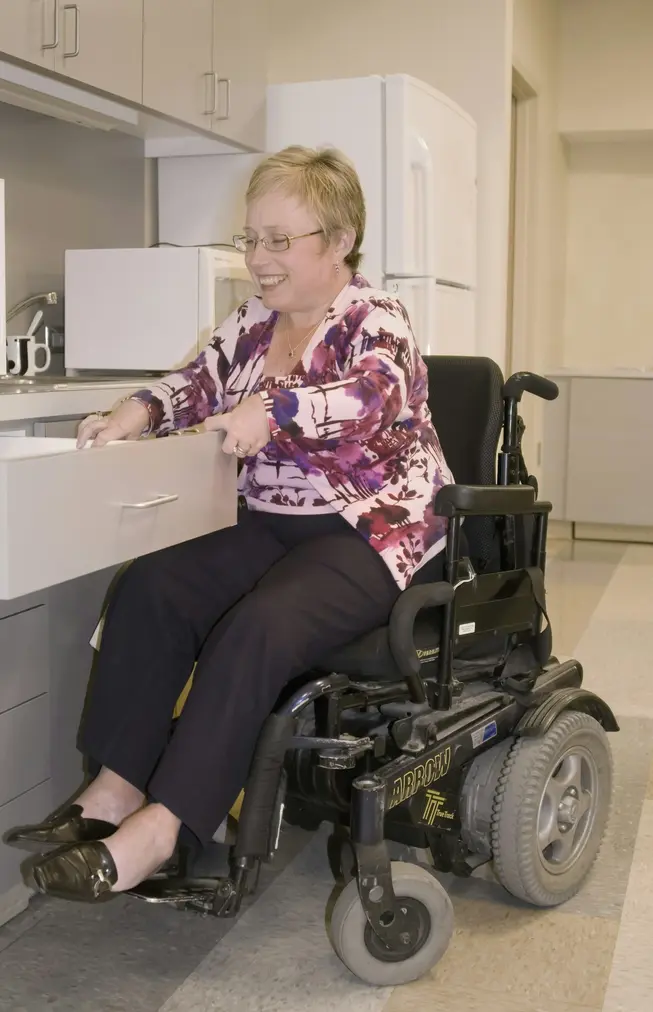
Who ABD Medicaid is for
ABD Medicaid may apply to people who fit at least one of these categories:
- Aged: usually age 65 or older
- Blind: certified blind under Medicaid rules
- Disabled: certified disabled or receiving disability-related benefits
- SSI recipients: in New York, people approved for Supplemental Security Income are generally connected to Medicaid eligibility
- Some Medicare recipients with limited income and resources
- People seeking certain long-term care services, including home care, depending on medical and functional need
This category matters because older adults and people with disabilities often have different needs than younger adults applying through the marketplace. They may have Medicare, fixed retirement income, disability income, medical bills, home care needs, or questions about spend-down rules.
ABD Medicaid is not one single benefit package that works the same for every person. It is an eligibility pathway. The exact coverage depends on the person’s income, assets, living situation, Medicare status, care needs, and the specific Medicaid program involved.
What does ABD Medicaid cover?
ABD Medicaid may help cover medical and long-term care costs that Medicare alone does not fully cover. Depending on eligibility and the type of Medicaid coverage approved, benefits may include:
- Doctor visits and outpatient care
- Hospital care
- Prescription drug support when coordinated with Medicare or other programs
- Lab tests, medical supplies, and durable medical equipment
- Dental, vision, and hearing-related services when covered by the program
- Personal care services or home care when medically and functionally approved
- Adult day health care or other community-based long-term care services
- Nursing home care for people who meet nursing facility level-of-care requirements
For seniors and people with disabilities, the most important distinction is often between regular medical coverage and long-term care coverage. Someone may qualify for basic Medicaid coverage but still need a separate assessment or approval process before Medicaid pays for ongoing home care, personal care, or nursing home care.
That is why families should not treat ABD Medicaid as just an income-limit question. The financial rules matter, but the care need, medical documentation, and program type matter too.
ABD Medicaid income limits in New York for 2026
For 2026, the figures below are a planning reference for certain New York Non-MAGI Medicaid situations. They are not a final eligibility determination.
Household | Monthly income | Countable resources |
Individual | $1,836 | $33,038 |
Couple | $2,489 | $44,796 |
These figures are a starting point, not a final eligibility decision. For a broader view of current thresholds and program-specific rules, see our Medicaid income limits in New York guide. Medicaid looks at countable income and countable resources after specific rules, deductions, disregards, and program requirements are applied.
Income is generally money received each month. Resources are countable assets, such as money in bank or investment accounts, after New York’s program-specific rules are applied. Some property may be treated differently, so neither number alone determines eligibility.
Source: New York State Partnership for Long-Term Care’s 2026 Medicaid resource and income allowances.
The income limit can also vary depending on the exact Medicaid category. For example, Medicare Savings Programs, Nursing Home Medicaid, Community Medicaid, waiver services, and medically needy coverage can each involve different rules or consequences.
If you are checking eligibility for a parent, spouse, or loved one, it is usually better to ask: which Medicaid pathway applies to this person? The answer may depend on whether they are over 65, disabled, on Medicare, applying for home care, living in a nursing facility, or trying to qualify with a spend-down.
What if income is above the ABD Medicaid limit?
Being over the income limit does not always mean someone is unable to get Medicaid in New York.
New York has an Excess Income Program, often called spend-down or surplus income. Under this approach, someone who is otherwise eligible may qualify for Medicaid in months when their medical expenses meet or exceed the amount by which their income is over the Medicaid level.
For people who need care in the community, a pooled income trust may also be relevant. A pooled trust can sometimes help a person with excess income remain eligible for Community Medicaid while using the excess income for approved living expenses.
These options are especially important for people who need home care. A person may look over-income on paper but still have a path to Medicaid coverage if the case is structured correctly and the person meets the other eligibility requirements.
Spend-down and pooled trust rules are technical. The right approach can depend on whether the person needs doctor visits, prescriptions, home care, assisted living support, or nursing home care. Families should review the specific situation before assuming the income number is the end of the analysis.
If your question has moved from what ABD Medicaid means to how income, assets, care needs, and timing affect the next step, explore Emics’ ABD Medicaid planning services in New York.
ABD Medicaid vs. MAGI Medicaid vs. Medicare Savings Programs
Medicaid language can be confusing because several programs sound similar. Here is the simplest way to separate them.
- ABD Medicaid: Used for people who are aged, blind, or disabled. In New York, this is often connected with Non-MAGI or SSI-related budgeting rules.
- MAGI Medicaid: Used for many adults under 65, children, pregnant individuals, and parents. Eligibility is generally based on Modified Adjusted Gross Income and household size.
- Medicare Savings Programs: Medicaid-administered programs that help eligible Medicare beneficiaries pay Medicare premiums and, in some cases, cost sharing. These programs are especially relevant for people who have both Medicare and Medicaid or are trying to reduce Medicare costs.
- Long-term care Medicaid: Medicaid coverage that helps pay for nursing home care, waiver services, or community-based care such as personal care, depending on financial and functional eligibility.
A person can overlap categories. For example, a senior with Medicare may also qualify for Medicaid and may be considered dual eligible. Someone with a disability may need regular Medicaid coverage now and long-term care services later. The label matters because it affects where to apply, what documents are needed, and which rules are used.
How ABD Medicaid connects to home care in New York
For many Emics Elder Care families, ABD Medicaid becomes important when a senior or disabled adult needs help at home.
Medicaid may help pay for personal care services or other community-based long-term care when the person meets financial eligibility rules and is approved for the level of care needed. This can include help with activities of daily living such as bathing, dressing, toileting, transferring, eating, and mobility.
The home care side of Medicaid is not automatic. Families often need to organize financial documents, medical records, proof of income, proof of resources, identification, insurance information, and care-related documentation. The person may also need assessments to confirm the level of assistance required.
This is where ABD Medicaid questions become practical. The family is not only asking what it means. They are trying to understand whether Medicaid can help keep someone safe at home, reduce care costs, or support a transition from hospital or rehab back to the community.
How to apply for ABD Medicaid in New York
The right application route depends on the person’s category and needs. New York notes that many Non-MAGI groups should work with the Local Department of Social Services or a Facilitated Enroller for the Aged, Blind and Disabled. This can include people who are blind or disabled, people receiving SSI, people seeking community-based long-term care, and people participating in spend-down.
For application routing and documentation guidance, see the New York State Department of Health’s guide to applying for Medicaid in New York.
Before applying, gather:
- Proof of identity and age
- Social Security number or immigration documentation, if applicable
- Medicare and health insurance information
- Monthly income proof, such as Social Security, pension, wages, or disability income
- Bank statements and other resource documentation
- Housing and living arrangement information
- Medical bills, if spend-down may apply
- Doctor or care documentation, if home care or long-term care is needed
If the goal is home care, it can help to review eligibility before submitting the application. Small mistakes in timing, documentation, program selection, or income treatment can delay coverage or create confusion about what services are available.
Need help understanding whether Medicaid can support care at home?
ABD Medicaid can be a useful path for seniors, people with disabilities, and Medicare beneficiaries in New York, but the rules are rarely one-size-fits-all. Income limits, resource limits, spend-down options, pooled trusts, Medicare status, and care needs can all affect the answer.
Emics Elder Care helps New York families understand Medicaid planning, home care options, and the steps involved in getting support for an aging or disabled loved one.
If you are unsure which Medicaid rule applies to your situation, contact Emics Elder Care to review your options before assuming you are over the limit or applying under the wrong pathway.
What Families Ask About ABD Medicaid in New York
ABD stands for Aged, Blind, and Disabled. It refers to Medicaid eligibility categories for people who are age 65 or older, legally blind, or disabled.
ABD Medicaid is not a separate insurance company or plan. It is an eligibility pathway within Medicaid. The coverage someone receives depends on the Medicaid category, state rules, Medicare status, and care needs.
For 2026, the commonly cited New York Non-MAGI or ABD-related Medicaid income level is about $1,836 per month for an individual and $2,489 per month for a couple. The final eligibility decision depends on countable income, deductions, resources, and program type.
For 2026, the planning reference is $33,038 in countable resources for an individual and $44,796 for a couple. Exact resource treatment can depend on the Medicaid program, living situation, and whether an asset is exempt.
Possibly. New York has an Excess Income Program, also known as spend-down or surplus income. Some people may also use a pooled income trust for Community Medicaid. The best option depends on the person’s care needs and financial situation.
ABD Medicaid can be part of the pathway to Medicaid-covered home care, but home care is not automatic. The person must meet financial requirements and be approved for the needed level of care or services.
No. ABD Medicaid is based on age, blindness, or disability. Many people who qualify are also on Medicare, but Medicare enrollment is not the only way the category can apply.
SSI can be a route to Medicaid eligibility. ABD Medicaid is a broader way of discussing Medicaid eligibility for aged, blind, or disabled individuals, including some people who do not receive SSI but meet Medicaid’s rules.
Sources:
- Medicaid eligibility policy: https://www.medicaid.gov/medicaid/eligibility-policy
- Medicaid seniors and Medicare enrollees / dual eligible standards: https://www.medicaid.gov/medicaid/eligibility-policy/seniors-medicare-and-medicaid-enrollees
- NY State Department of Health Medicare Savings Program 2026: https://www.health.ny.gov/health_care/medicaid/program/update/savingsprogram/medicaresavingsprogram.htm
- NY State Department of Health Excess Income Program: https://www.health.ny.gov/health_care/medicaid/excess_income.htm
- NY State Department of Health How to Apply for NY Medicaid: https://www.health.ny.gov/health_care/medicaid/how_do_i_apply.htm